The Essential Role of Modern Security Services in Today's Threat Landscape
Within today's quickly shifting risk environment, you shouldn't neglect modern security services. Cyber threats are more sophisticated than ever, and physical breaches can destroy your business. With economic impacts and reputation deterioration on the line, it's essential to grasp how complete security solutions protect your interests. But what exactly makes these services absolutely necessary? Let's examine the components that can protect your organization from developing threats.
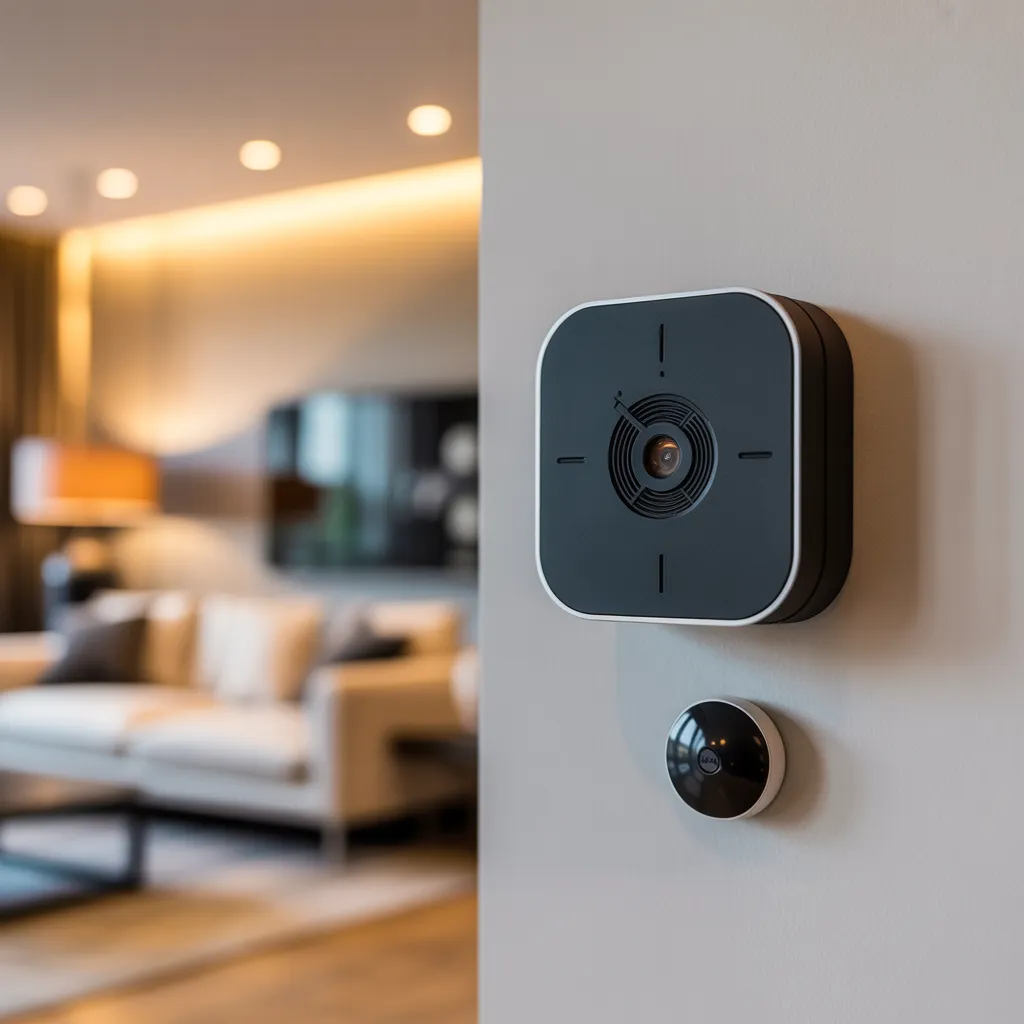
Modern Security Needs: Navigating the Evolving Risk Landscape
As companies traverse an ever more intricate landscape, recognizing today's security demands becomes crucial. You face a landscape filled with diverse threats, spanning material violations to technological exposures. Identifying these developing dangers enables you to preemptively protect your resources. You need to assess your unique vulnerabilities and prioritize security measures that address them effectively.

Allocating resources to robust security solutions can reinforce your defenses, ensuring that you're ready for whatever challenges emerge. Regular training and awareness programs for employees are essential, as human error often plays a significant role in security breaches. By keeping up with current trends and technologies, you can adjust your strategies accordingly. Ultimately, a proactive approach to security isn't just about protection; it's about fostering trust and resilience within your organization.
How Do Cyber Threats Impact You and Your Business?
Cyber incidents can impact your company significantly, causing major financial setbacks and unexpected costs. They also risk damaging your reputation and weakening customer trust, which can require years to restore. Furthermore, steering through the challenges of compliance requirements becomes significantly harder in the event of a cyberattack.
Economic Impact of Cyberattacks
When your organization experiences a cyber attack, the financial repercussions can be devastating. You could experience immediate costs for recovery efforts, including hiring cybersecurity specialists and repairing damaged systems. Moreover, there are often hidden costs like lost productivity and disrupted operations that can remain long after the attack. You could also face legal fees if sensitive customer information is compromised, causing potential lawsuits and fines. Your insurance premiums may rise, adding to your long-term expenses. If you work with third-party vendors, their vulnerabilities could also influence your financial stability. In the end, the cumulative effect of these factors can severely strain your budget, making it critical to invest in advanced security services to mitigate these risks and protect your bottom line.
Reputation and Trust Erosion
Trust is a fragile commodity in the modern digital world, and a cyber attack can shatter it in an instant. When cybercriminals infiltrate your systems, the aftermath can be devastating. Clients may lose confidence in your capacity to safeguard their data, resulting in a decline in business. You might find that negative publicity spreads quickly, tarnishing your company's standing. Once trust is lost, it requires significant time and effort to rebuild. Your competitors may capitalize on your misfortune, further weakening your market position. It's vital to realize that the consequences of a cyber threat reach beyond immediate financial losses; they can profoundly affect your long-term relationships with clients and stakeholders. Investing in modern security services is critical for protecting your reputation and ensuring trust persists.
Challenges in Regulatory Compliance
As businesses increasingly rely on digital Business Security Camera Systems operations, managing regulatory compliance becomes a significant obstacle, especially in response to cyber threats. You face a constant battle to stay updated with continuously developing regulations like GDPR or HIPAA, all while ensuring your systems are secure. A single data breach can not only result in hefty fines but also damage your trustworthiness. Compliance doesn't just mean ticking boxes; it requires a preventive stance to security, engaging with continuous monitoring and risk assessments. The pressure to protect sensitive information can feel daunting, but investing in modern security services can help you navigate these complexities. With the right support, you can shield your enterprise and maintain compliance, allowing you to focus on growth instead of fear.
Why Physical Security Matters Today
In today's world, the threat landscape is constantly changing, making physical security more critical than ever. You need robust access control measures to secure your assets and ensure only authorized individuals can access your premises. Overlooking physical security could leave your business susceptible to risks that can rapidly grow.
Shifting Cyber Threat Environment
Although the digital age has transformed how we communicate and conduct business, it has also given rise to an increasingly complex threat landscape that requires robust physical security measures. You cannot ignore the fact that threats now arise from numerous sources, including organized crime, cybercriminals, and even disgruntled employees. As technology develops, so do the tactics used by those intending to cause harm. Your business premises are vulnerable to physical breaches that can compromise valuable data and important assets. By prioritizing physical security, you provide a safer environment for employees and customers alike. Investing in surveillance systems, security personnel, and emergency response plans is essential. Ultimately, staying ahead of these evolving threats is essential for maintaining your organization's integrity and reputation.
Value Of Having Access Control
Access control serves as a cornerstone of robust physical security, guaranteeing that only authorized individuals can access specific areas within your organization. By establishing comprehensive access control measures, you can secure sensitive information and assets from unauthorized access. Using key cards, biometrics, or security personnel, these systems help you manage who can enter, when, and for how long.
In the modern security landscape, where dangers develop swiftly, it's crucial to adjust your access control methods. Physical security doesn't just deter intruders but also cultivates a protected environment for staff and guests. By emphasizing access control, you show your dedication to safety and security, preserving your organization's credibility and operational soundness. Never underestimate the critical nature of these measures in your total security framework.
Key Elements of Full-Scale Security Services
Comprehensive security services rest upon several essential components that work together to create a robust protection framework. First, risk assessment assists in identify vulnerabilities and prioritize threats, ensuring your resources focus where they're needed most. Next, integrated technology, such as surveillance cameras and access control systems, offers real-time monitoring and data collection. Training personnel to recognize security issues is also critical; well-prepared staff can act quickly in emergencies. Additionally, incident response plans are crucial for minimizing damage when breaches occur. Finally, regular audits and updates confirm your security measures adapt to evolving threats. By incorporating these components, you'll create a thorough security service that effectively protects your assets and enhances overall safety.
Is Investing in Security Services Worth It?
Purchasing security services can appear difficult, especially with so many options accessible. However, when you weigh the advantages, it's evident that security services are a valuable investment. They deliver peace of mind, knowing that your assets, employees, and customers are safeguarded. With the increase of cyber threats and physical security dangers, having a comprehensive security system is no longer optional; it's a necessity.
Moreover, a quality security service can avert potential losses and decrease liability, ultimately saving you money in the long run. Consider the value of your reputation—security breaches can damage it irreparably. By employing security services, you're not just safeguarding your business; you're securing its future. It's a smart move you won't regret.
Choosing the Right Security Service for Your Requirements
How can you identify which security service is right for your unique needs? Initiate by examining your risks and vulnerabilities. Identify what assets you need to shield—whether it's physical property, data, or personnel. Next, assess the type of security service that aligns with your situation. Do you need armed guards, surveillance systems, or cybersecurity solutions? Consider your budget and the level of expertise required. Research potential providers, looking for reviews and their experience in your industry. Don't hesitate to ask questions about their protocols and technologies. Finally, confirm the service can adapt to your changing needs. By taking these steps, you'll be better equipped to choose a security service that provides effective protection suited to your unique circumstances.
Emerging Security Trends: Anticipated Changes in Security Services
As technology continues to evolve, security services must adapt to tackle developing dangers and issues. You can look forward to an increased emphasis on machine learning-enhanced security solutions, which can assess information in real-time to detect anomalies and avoid events before they escalate. Moreover, the increase of remote work will require more comprehensive cybersecurity measures, securing that sensitive information remains protected outside traditional office environments. Biometric verification and facial recognition will likely become standard features, improving access control. In addition, implementation of IoT devices in security systems will improve monitoring processes. As these trends unfold, it's essential to stay informed and willing to leverage new technologies to secure your assets successfully. Accepting these changes will be essential for making certain your security remains robust.
Common Questions
What's the Best Way to Identify My Security Vulnerabilities?
Begin by performing a complete security audit, pinpointing vital assets and potential threats. Assess your present measures, involve your team for feedback, and explore using vulnerability assessment tools to uncover weaknesses necessitating immediate attention.
Which Certifications Should I Search for in Security Service Providers?
Check for certifications including copyright Security Professional (copyright), Certified Information Security Manager (CISM), and Security+ in security service providers. These qualifications demonstrate their expertise and dedication to upholding high security standards for your company.
How Frequently Must I Update My Security Protocols?
It's essential to update your security protocols at least annually, or each time significant changes occur in your organization. Consistent reviews help detect vulnerabilities, confirming your security stays effective against developing threats and potential risks.
What's the Investment Required for Comprehensive Security Protection?
Thorough security services typically cost between $1,000-$10,000 per month, based on your business needs and the size of your organization. It's important to evaluate your unique needs to secure an accurate estimate.
How Can Workers Contribute to Workplace Security?
It's possible to contribute to workplace security by remaining alert, flagging unusual activity, adhering to security procedures, engaging in training programs, and encouraging open communication with colleagues. Your proactive approach helps build a safer work environment for everyone.